
新加坡是长途航班的枢纽,因此了解深静脉血栓形成(DVT)非常重要。血管外科医生唐俊医生和黄俊良医生将在此为我们详细介绍DVT。.
2026 年 9 月 24 日
关于深静脉血栓形成(DVT)的关键事实

新加坡是长途航班的枢纽,因此了解深静脉血栓形成(DVT)非常重要。血管外科医生唐俊医生和黄俊良医生将在此为我们详细介绍DVT。.
什么是深静脉血栓形成(DVT)?
深静脉血栓形成是指血液凝块在腿部深层肌肉静脉(股静脉/腘静脉)、盆腔深层静脉(髂静脉)或腹部主要静脉(下腔静脉)中形成,这些静脉将血液输送回心脏。.
这可能很严重,因为这些血栓会回流到心脏,阻塞通往肺部的静脉(肺栓塞)。这会导致缺氧,引起呼吸困难,甚至可能致命。.

长途飞行中导致深静脉血栓形成的原因是什么?
Sitting still for hours in a cramped position, combined with lower cabin pressure and limited movement, slows blood flow in the leg veins and allows blood to pool, which makes it easier for clots to form. Risk factors include flights of more than four hours, sitting in a window seat, taking several flights in one journey, dehydration, smoking, alcohol, use of oral contraceptives and any pre-existing blood clotting condition. According to a World Health Organisation report covered by the British Medical Journal, the risk of venous thromboembolism doubles after long haul air travel of more than four hours’ duration, and the risk increases with the duration of the travel and with multiple flights within a short period. For healthy travellers, the overall risk remains low. The report put the absolute risk among healthy individuals for a flight of more than four hours at 1 in 6000. The risk is considerably higher for people with additional risk factors.
Most flight-related clots can be prevented with simple habits. Walk up and down the aisle every hour or two when it is safe to do so. When seated, flex and point your ankles regularly to keep the calf muscles pumping blood back towards the heart. Drink plenty of water, limit alcohol and caffeine, and avoid sleeping for long stretches in a cramped position. If you choose your seat, an aisle seat makes moving around easier. Well-fitted graduated compression stockings can also help, particularly for travellers with additional risk factors. If you have had a blood clot before, have a clotting disorder, or have recently had surgery, see a vascular specialist before a long-haul trip. After landing, seek medical attention promptly if you develop swelling, pain, warmth or redness in one leg, or sudden breathlessness or chest pain. These can be signs of deep vein thrombosis or pulmonary embolism.
我们应该注意哪些症状?及时就医是否重要?
许多深静脉血栓(DVT)可能没有明显症状。症状通常始于小腿,表现为小腿后侧的异样感觉或疼痛,严重时还会出现患肢发红、发热和肿胀。极少数情况下,患者甚至会行走困难。由于深静脉血栓若不及时治疗可能发展为肺栓塞,因此会造成严重的后果。.
在不太严重的情况下,如果不及时治疗,血栓还会破坏静脉内的瓣膜,导致长期疼痛(血栓后综合征)和慢性腿部肿胀(深静脉反流)。.
深静脉血栓的非手术治疗方法有哪些?
Anticoagulants, or blood thinners, are vital in 深静脉血栓治疗. They prevent existing clots from enlarging and reduce the risk of new clots by inhibiting clotting factors. Though they don’t dissolve clots directly, they aid the body’s natural clot breakdown process. They help manage DVT and prevent complications like pulmonary embolism and post-thrombotic syndrome, which can lead to heavy and swollen limbs.
主要的抗凝血剂有:肝素,可快速稀释血液,通常在医院使用;华法林,一种口服药物,需长期使用并密切监测;以及新型口服抗凝剂(DOAC),如阿哌沙班和利伐沙班,与华法林一样有效,但出血风险更低,无需定期验血。.
治疗严重深静脉血栓有哪些手术方案?
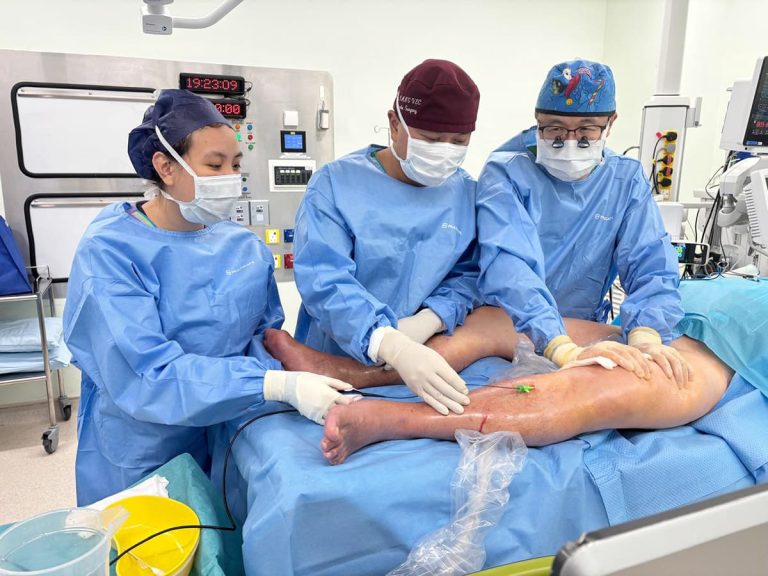
我们会在局部麻醉下进行手术,以清除较大的血栓,尤其是在症状严重的情况下。手术方式的选择取决于血栓的位置、严重程度以及患者的健康状况。新鲜血栓更容易通过经皮血栓切除术清除,而陈旧的血栓可能需要溶栓治疗(使用溶栓剂)来帮助其分解后再进行清除。在溶栓过程中,会使用专用器械将血栓物理性地移除。.
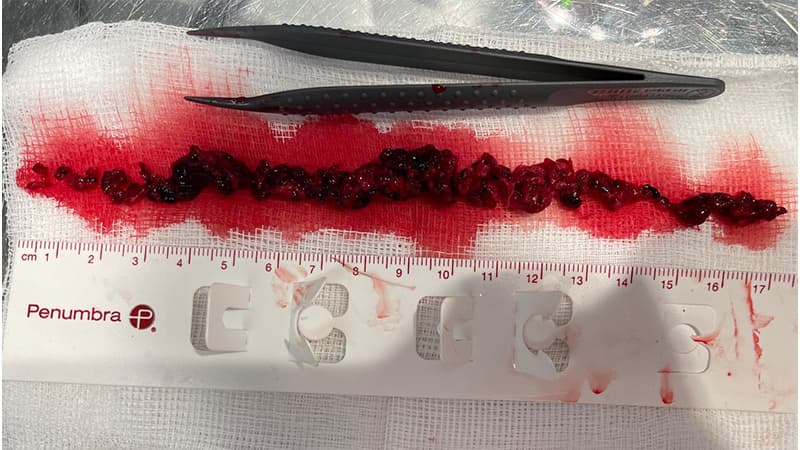
在本诊所,我们使用先进的Penumbra Lightning Flash设备进行经皮血栓切除术——它能够有效清除血栓,并将静脉损伤降至最低。这种微创手术无需大切口,术后即可活动,缓解症状,恢复血流,加快康复速度,并降低长期并发症的风险。此外,它还能缓解深静脉血栓相关的焦虑,从而改善患者的心理健康。.
Meet Our Vascular Surgeons
Dr Julian Wong and Dr Tang Tjun Yip are Senior Consultant Vascular and Endovascular Surgeons with over 60 years of combined clinical experience. Both completed fellowship training in vascular surgery and held senior leadership roles in Singapore’s public healthcare system before founding The Vascular & Endovascular Clinic.
They treat both arterial and venous conditions, offering open surgery and minimally invasive endovascular procedures, with a treatment plan tailored to each patient.

黃志良医生
医疗主任,高级血管及血管内外科顾问
MBChB, FRCS (Glas), FRCS (Eng), FRCS (Gen), FAMS
Dr Wong has more than 35 years of medical experience, including over two decades as a consultant. He was previously Head of Vascular & Endovascular Surgery at the National University Heart Centre, Singapore, and Director of its Aortic Centre and Vascular Laboratory. He also helps train and assess the next generation of surgeons. He is Chief Examiner for the Membership of the Royal College of Surgeons, Chairman of the Master of Medicine in General Surgery, and an examiner for the Fellowship of the Royal College of Surgeons.
鄧俊業医生
医疗主任,高级血管及血管内外科顾问
MA (Hons), MB BChir (Distinction in Surgery), MRCS (Glas), MD (Cambridge), FRCS (Gen), FAMS, CWSP
Dr Tang trained at the University of Cambridge and completed an endovascular fellowship in the UK, followed by further training in Sydney. He was formerly a Senior Consultant in Vascular Surgery at Singapore General Hospital, where he set up the deep venous stenting programme in 2018. He also helped establish the vascular service at Sengkang General Hospital. As Director of Research at the SingHealth Duke-NUS Vascular Centre, he became the first vascular surgeon in Singapore to receive a Clinician Scientist Award, for research on improving outcomes in diabetic foot and peripheral artery disease.
在线预约
我们简单易用的在线预约流程使您可以轻松预订我们的任何一项服务和医生。