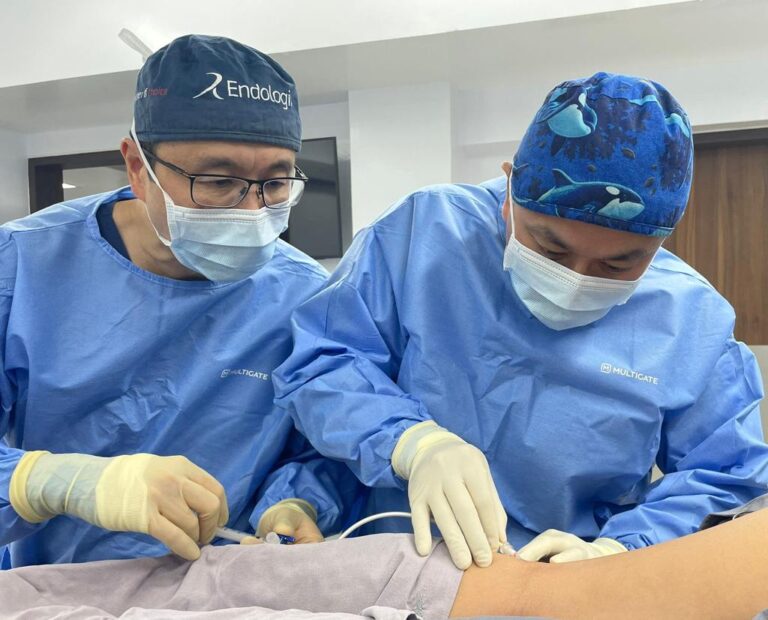

Singapore is a travel hub for long-haul flights, so it’s wise to be informed about deep vein thrombosis. Here, vascular surgeons DR TJUN TANG and DR JULIAN WONG tell us all about DVT.
Ngày 24 tháng 9 năm 2026
Những thông tin quan trọng về huyết khối tĩnh mạch sâu (DVT)

Singapore is a travel hub for long-haul flights, so it’s wise to be informed about deep vein thrombosis. Here, vascular surgeons DR TJUN TANG and DR JULIAN WONG tell us all about DVT.
What is deep vein thrombosis (DVT)?
DVT occurs when blood clots form either in the deep muscle leg veins (femoral/popliteal veins), deep pelvic veins (iliac veins) or the main vein in the abdomen (inferior vena cava) that carry blood towards the heart.
It can be serious because these blood clots can flow back to the heart and block the veins to the lungs (pulmonary embolism). This causes breathing issues due to lack of oxygen and can be fatal.

What causes DVT on a long-haul flight?
Sitting still for hours in a cramped position, combined with lower cabin pressure and limited movement, slows blood flow in the leg veins and allows blood to pool, which makes it easier for clots to form. Risk factors include flights of more than four hours, sitting in a window seat, taking several flights in one journey, dehydration, smoking, alcohol, use of oral contraceptives and any pre-existing blood clotting condition. According to a World Health Organisation report covered by the British Medical Journal, the risk of venous thromboembolism doubles after long haul air travel of more than four hours’ duration, and the risk increases with the duration of the travel and with multiple flights within a short period. For healthy travellers, the overall risk remains low. The report put the absolute risk among healthy individuals for a flight of more than four hours at 1 in 6000. The risk is considerably higher for people with additional risk factors.
Most flight-related clots can be prevented with simple habits. Walk up and down the aisle every hour or two when it is safe to do so. When seated, flex and point your ankles regularly to keep the calf muscles pumping blood back towards the heart. Drink plenty of water, limit alcohol and caffeine, and avoid sleeping for long stretches in a cramped position. If you choose your seat, an aisle seat makes moving around easier. Well-fitted graduated compression stockings can also help, particularly for travellers with additional risk factors. If you have had a blood clot before, have a clotting disorder, or have recently had surgery, see a vascular specialist before a long-haul trip. After landing, seek medical attention promptly if you develop swelling, pain, warmth or redness in one leg, or sudden breathlessness or chest pain. These can be signs of deep vein thrombosis or pulmonary embolism.
What symptoms should we watch for, and is it important to seek medical help quickly?
A lot of DVTs can be silent. Symptoms always start at the calf which can be a funny sensation or pain at the back of the calf and in worst cases you’ll also notice redness, increase in warmth and swelling on the affected leg. In very bad cases, the person can also struggle to walk. As DVT can progress to pulmonary embolism if left untreated, there can be serious consequences.
In less severe cases, if left untreated the clots can also destroy the valves inside the veins and cause long-term pain (post-thrombotic syndrome) and chronic leg swelling (deep venous reflux).
What are the non-surgical treatments for deep vein thrombosis?
Anticoagulants, or blood thinners, are vital in điều trị DVT. They prevent existing clots from enlarging and reduce the risk of new clots by inhibiting clotting factors. Though they don’t dissolve clots directly, they aid the body’s natural clot breakdown process. They help manage DVT and prevent complications like pulmonary embolism and post-thrombotic syndrome, which can lead to heavy and swollen limbs.
The main anticoagulants are heparin, which rapidly thins blood and is administered in hospitals; warfarin, an oral medication used long-term with close monitoring; and DOACs like apixaban and rivaroxaban, newer oral options that are as effective as warfarin but with fewer bleeding risks and no need for regular blood tests.
What are the surgical options for removing severe DVTs?
We perform surgery under local anaesthesia to remove large clots, especially if symptoms are severe. The procedure choice depends on clot location, severity, and patient health. Fresh clots are easier to remove via percutaneous thrombectomy, while older clots may need thrombolysis (clot busters) to aid breakdown before removal. Specialised devices physically remove the clot during this procedure.
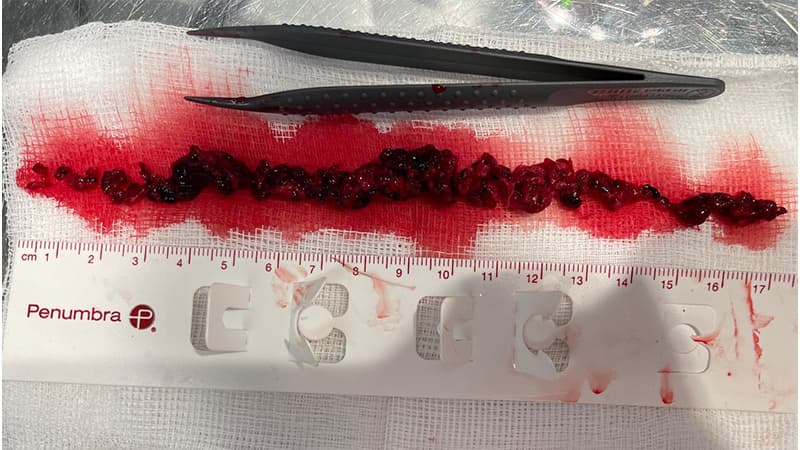
At our clinic, we use the advanced Penumbra Lightning Flash device for percutaneous thrombectomy – it enables effective clot removal with minimal vein trauma. This keyhole procedure avoids large incisions, allowing immediate post-operative mobility, symptom relief, restored blood flow, faster recovery and reduced risk of long-term complications. It also improves psychological wellbeing by easing DVT related anxiety.
Meet Our Vascular Surgeons
Dr Julian Wong and Dr Tang Tjun Yip are Senior Consultant Vascular and Endovascular Surgeons with over 60 years of combined clinical experience. Both completed fellowship training in vascular surgery and held senior leadership roles in Singapore’s public healthcare system before founding The Vascular & Endovascular Clinic.
They treat both arterial and venous conditions, offering open surgery and minimally invasive endovascular procedures, with a treatment plan tailored to each patient.

Tiến sĩ Julian Wong
Giám đốc Y khoa, Bác sĩ phẫu thuật mạch máu và nội mạch cao cấp
MBChB, FRCS (Glas), FRCS (Eng), FRCS (Gen), FAMS
Dr Wong has more than 35 years of medical experience, including over two decades as a consultant. He was previously Head of Vascular & Endovascular Surgery at the National University Heart Centre, Singapore, and Director of its Aortic Centre and Vascular Laboratory. He also helps train and assess the next generation of surgeons. He is Chief Examiner for the Membership of the Royal College of Surgeons, Chairman of the Master of Medicine in General Surgery, and an examiner for the Fellowship of the Royal College of Surgeons.
Tiến sĩ Tang Tjun Yip
Giám đốc Y khoa, Bác sĩ phẫu thuật mạch máu và nội mạch cao cấp
MA (Hons), MB BChir (Distinction in Surgery), MRCS (Glas), MD (Cambridge), FRCS (Gen), FAMS, CWSP
Dr Tang trained at the University of Cambridge and completed an endovascular fellowship in the UK, followed by further training in Sydney. He was formerly a Senior Consultant in Vascular Surgery at Singapore General Hospital, where he set up the deep venous stenting programme in 2018. He also helped establish the vascular service at Sengkang General Hospital. As Director of Research at the SingHealth Duke-NUS Vascular Centre, he became the first vascular surgeon in Singapore to receive a Clinician Scientist Award, for research on improving outcomes in diabetic foot and peripheral artery disease.
Đặt lịch hẹn trực tuyến
Quy trình đặt lịch hẹn trực tuyến, đơn giản dễ sử dụng của chúng tôi giúp bạn dễ dàng đặt lịch cho bất kỳ dịch vụ và bác sĩ nào của chúng tôi.