




Spider veins and vascular skin lesions are small, visible blood vessels that may be cosmetic or associated with underlying vein reflux. A reflux scan can identify deeper valve problems, helping guide treatment such as laser therapy or sclerotherapy.
First Consultation (within 30 min)
$245 and above
Long First Consultation (within 30 - 60 min)
$345.00 and above
Follow-up Consultation (within 30 min)
$165.00 and above
Long Follow-up Consultation (within 30-60 min)
$245.00 and above
Emergency Consultation (W/IN 30 min)
$385.00 and above
Emergency Long Consultation (W/IN 30-60 min)
$550.00 and above
Wound dressings professional fee (excludes consumables)
$132.00 - 228.00 (depends on complexity)
Additional clinic-based Duplex ultrasound assessment
$150.00 - $320.00 (depends on complexity)
Specialist Medical Report
$200.00 - $ $330.00 (depends on complexity)
Vbeam Laser (limited to 30 shots/session)
$650 and above
Vbeam Laser (Package of 5 + 1)
$3,250 and above
Gmax Laser (per affected area/session)
$650 and above
Gmax Laser (Package of 5 + 1)
$3,250 and above
Q-Switch Laser (per affected area/session)
$650 and above
Q-Switch Laser (Package of 5 + 1)
$3,250 and above
Hospital In-patient Consultation (Ward)
$380.00 and above
Hospital In-patient Consultation (ICU)
$550.00 and above
A&E during Clinic hours
$380.00 and above
A&E after Clinic hours but before 12 Midnight
$480.00 and above
A&E after 12 Midnight
$550.00 and above
A&E Weekends & PH
$550.00 and above
* All prices are in Singapore currency, exclude Goods & Service Tax are accurate as of 1st Jan 2025 onwards. Prices may change accordingly.

Spider veins and vascular skin lesions are small, visible blood vessels that may be cosmetic or associated with underlying vein reflux. A reflux scan can identify deeper valve problems, helping guide treatment such as laser therapy or sclerotherapy.

Senior Consultant Vascular & Endovascular Surgeons
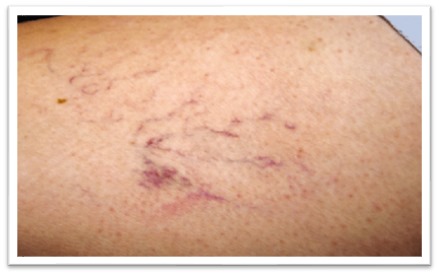
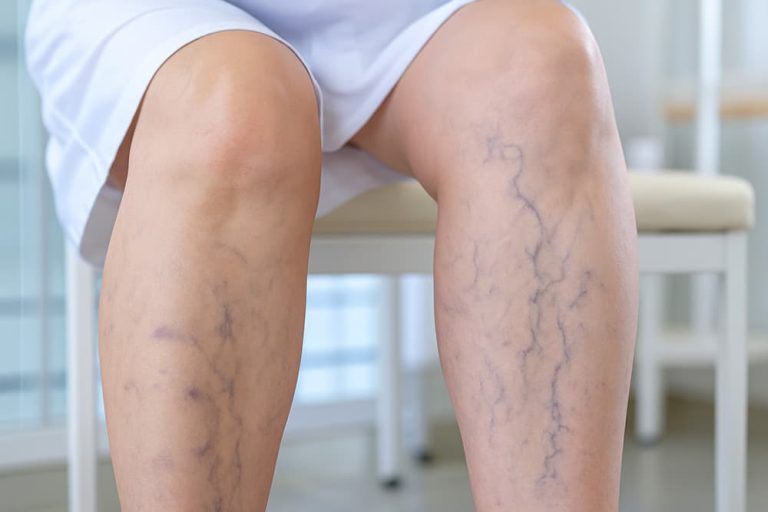
Spider veins are small, visible blood vessels that appear close to the surface of the skin, commonly on the legs. They may appear as red, blue or purple lines, often forming thin, web-like clusters.
While spider veins are often a cosmetic concern, they can sometimes be associated with underlying vein problems such as venous reflux or chronic venous insufficiency (CVI), particularly when accompanied by symptoms such as aching, heaviness, swelling or itching.
At The Vascular & Endovascular Clinic, our vascular specialists assess spider veins and vascular skin lesions to determine whether they are limited to the skin’s surface or related to an underlying vein condition.
This helps guide whether treatment with laser, sclerotherapy or treatment of deeper veins may be appropriate.
Spider veins (telangiectasias) are tiny, damaged blood vessels that appear close to the skin’s surface. They often resemble delicate spider webs or tree branches.
While they can develop anywhere on the body, they are most frequently found on the thighs, calves, and ankles due to the immense pressure of standing and walking.
While many aesthetic salons offer laser treatments to fade these lines, they often lack the diagnostic equipment to check why those veins failed in the first place.
Without addressing the root cause, new spider veins can rapidly appear in the exact same spot.
Patients seeking simple cosmetic fixes often do not realise that surface-level veins can indicate a deeper underlying issue.
Vascular fact check: Spider veins do not directly “turn into” varicose veins because they’re different types of blood vessels. Spider veins are tiny, shallow veins close to the skin’s surface, while varicose veins are larger, deeper veins that bulge outward.
However, they share the same underlying cause, and having spider veins can be an early warning sign that you might develop varicose veins later.
Both conditions stem from chronic venous insufficiency (CVI), a condition where the tiny, one-way valves inside your leg veins become weak or damaged. Instead of pumping blood efficiently back up toward your heart, blood pools backwards in the lower legs.
If this structural pressure only affects the tiniest vessels, you get spider veins. If the deeper, larger veins give way under that same pressure, you develop bulging, painful varicose veins.
Treating the surface spider veins without evaluating the health of your deeper circulatory system is like repainting a wall that has structural water damage.
When considering spider vein treatment in Singapore, it is important to assess whether the visible veins are limited to the skin’s surface or associated with an underlying vascular condition. A vascular clinic can assess this and recommend treatment based on the findings.
Before we treat a single surface vein, we map your leg’s circulation using non-invasive ultrasound technology. This allows our specialists to look beneath the skin and rule out deeper venous reflux. If a malfunctioning deeper vein is feeding your spider veins, we fix that first to prevent future recurrence.
If your spider veins are accompanied by leg heaviness, nighttime cramps, swelling, or throbbing, you are likely dealing with more than just a cosmetic concern.
We provide a full spectrum of care, seamlessly scaling from aesthetic micro-sclerotherapy to advanced varicose vein ablation surgery if registry data indicates it is medically necessary.
Our clinic participates in the College of Phlebology (CoP) Venous Registry, an international network where clinical outcomes for venous conditions are audited.
This provides a framework for reviewing outcomes and maintaining standards in venous management
As a specialised medical centre, we utilise clinically proven, minimally invasive treatments that safely collapse damaged vessels and redirect blood flow to healthy veins.
Following a proper clinical assessment, your vascular specialist will recommend the most effective pathway for your anatomy:
Sclerotherapy remains one of the most effective medical treatments for spider veins on the legs. During the procedure, a specialised, ultra-fine needle is used to inject a medical solution (a sclerosant) directly into the target veins.
This solution gently irritates the lining of the blood vessel, causing it to safely collapse and seal shut. Over the next few weeks, your body naturally absorbs the closed vein until it completely fades from view.
Sclerotherapy is a minimally invasive treatment that generally involves minimal discomfort, with most people able to resume normal activities the same day.
For exceptionally tiny spider veins or facial broken capillaries that are too small for a sclerotherapy needle, advanced surface laser treatments can be used.
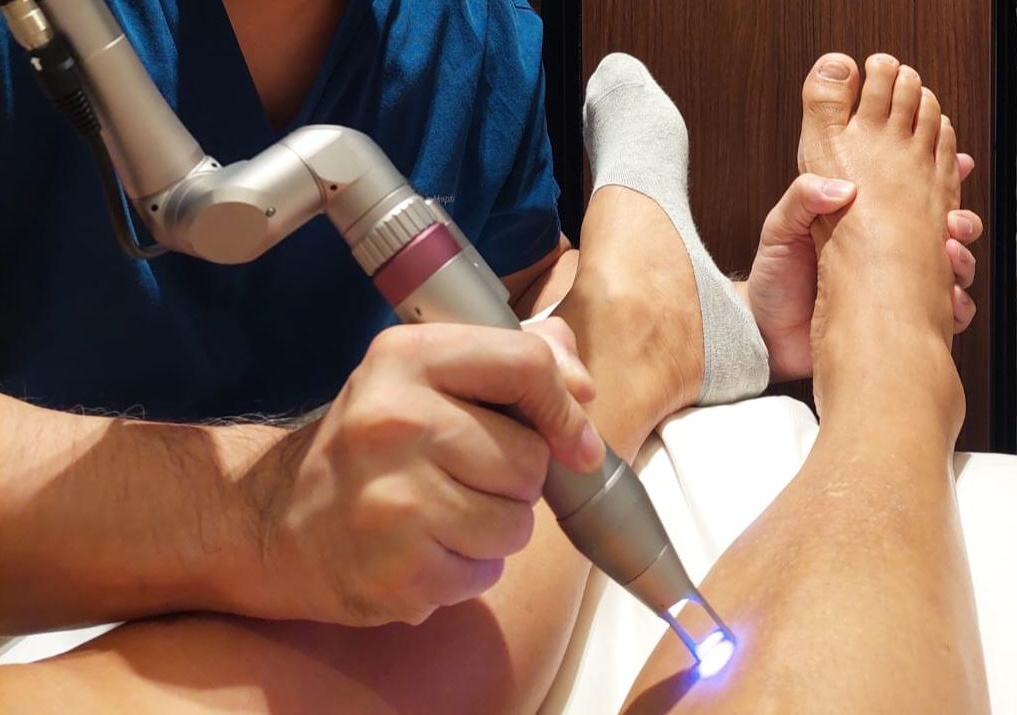
The laser precisely targets the pigment in the blood, heating and closing the vessel without damaging the surrounding tissue.
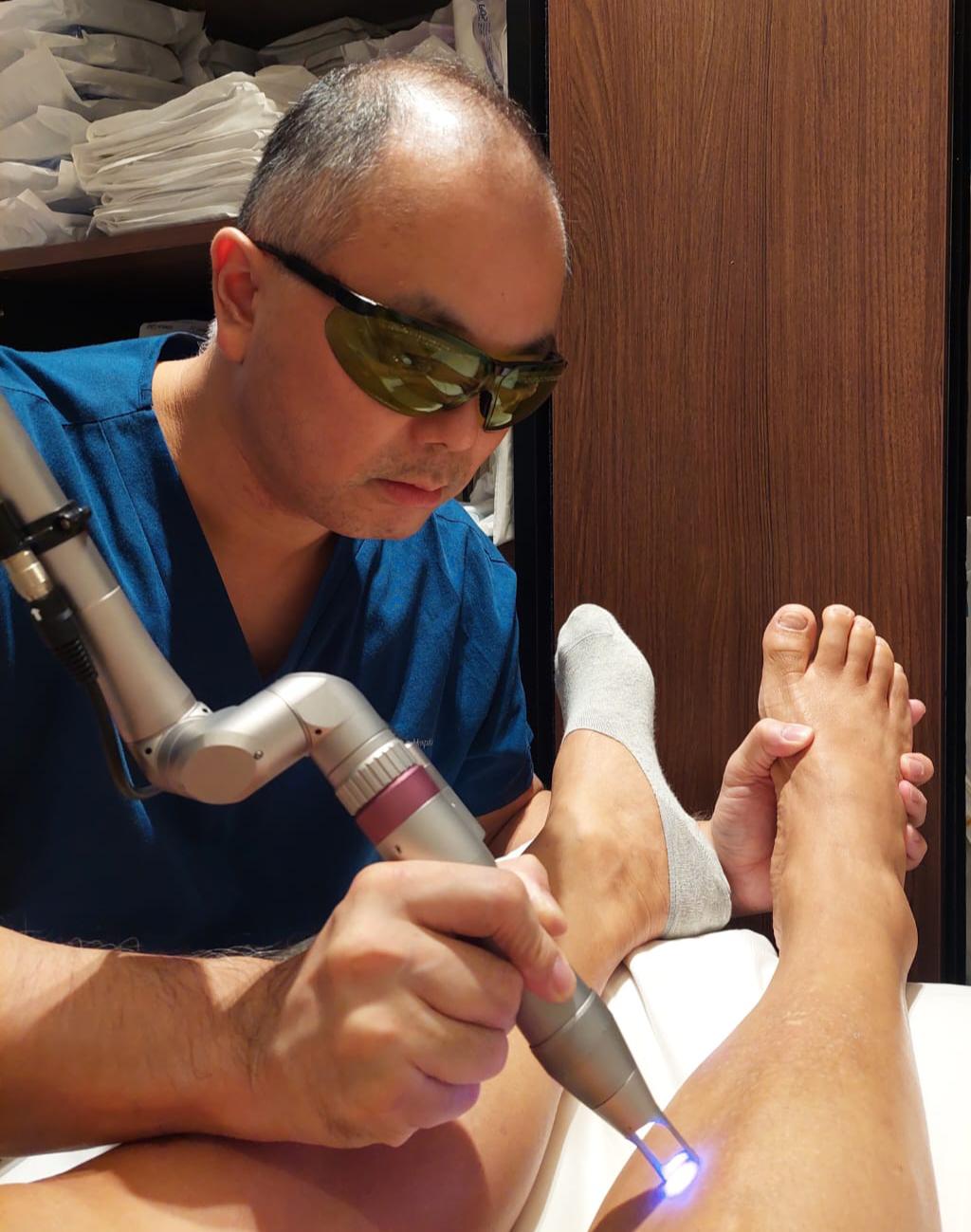
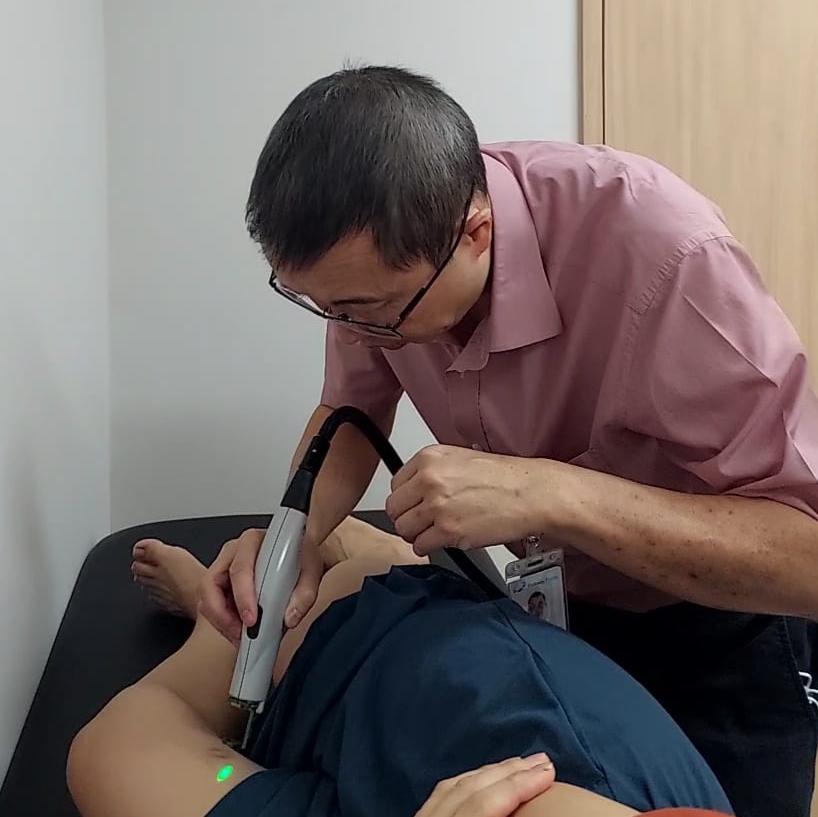
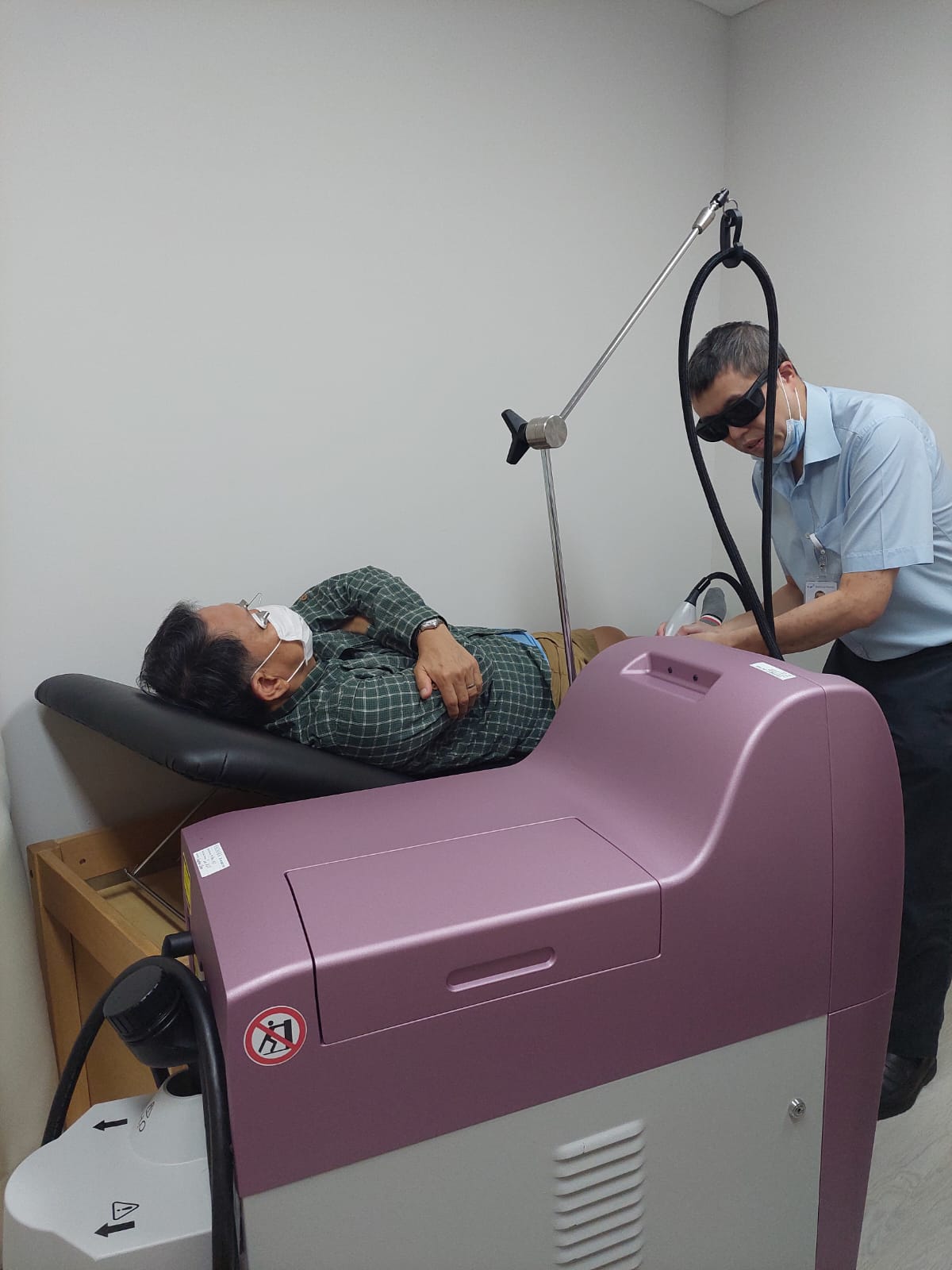
The Candela laser is a treatment option for spider veins and other small, visible blood vessels. It uses targeted laser energy that is absorbed by the blood within the vessel, causing it to heat and close. Over time, the treated vessel is naturally reabsorbed by the body, allowing it to gradually fade.
Candela laser treatment can be used on different areas of the body, including the legs and face and is particularly suited to smaller blood vessels close to the skin’s surface.
The number of Candela laser sessions needed for spider veins varies depending on the individual and the extent of the veins being treated. Around 2 to 3 sessions may be recommended, typically spaced about 4 weeks apart.
After treatment, you may experience temporary redness, swelling, bruising or mild discomfort around the treated area. These effects usually settle within a few days to a couple of weeks. A Special Repair cream will also be prescribed to support the healing process after treatment.
In addition to spider veins, the Candela laser can be used for a range of skin and vascular conditions. Depending on the condition and individual suitability, applications include:
Speak with our vascular specialists to find out whether Candela laser treatment is suitable for your spider veins and what you can expect from treatment.
Spider veins can be more than a cosmetic concern, which is why understanding what is
happening beneath the surface can be an important part of choosing the right treatment.
At The Vascular & Endovascular Clinic, our vascular specialists can assess your veins and
recommend an appropriate treatment based on your individual needs.
Speak with our vascular specialists to learn more about your treatment options for spider veins and vascular skin lesions.
Most sclerotherapy sessions are performed comfortably in our clinic and take between 30 to 45 minutes. You can return to your normal daily activities immediately after your appointment, though you may be advised to wear lightweight compression stockings for a few days to optimise results.
If spider veins are purely cosmetic and accompanied by no physical symptoms, insurance generally does not cover the procedure. However, if our diagnostic ultrasound reveals underlying venous insufficiency or if you have co-existing symptomatic varicose veins, your consultation, scans, and subsequent treatments may be eligible for insurance or corporate shield plan coverage.
The specific veins that are successfully collapsed and absorbed during sclerotherapy cannot return. However, because venous insufficiency is a progressive condition, new spider veins can develop over time if your natural genetic or lifestyle risks (like prolonged standing or sitting) persist.
Spider veins are flat, thin, web-like lines sitting just under the skin surface that rarely cause severe physical pain. Varicose veins are thick, twisted, rope-like blue veins that visibly bulge out of the skin. Varicose veins frequently cause heavy, aching legs, swelling, skin discolouration, and, in severe cases, painful venous ulcers.
MBChB, FRCS(Glas), FRCS(Eng), FRCS(Gen), FAMS
MA Honours, MB BChir (Distinction in Surgery), MRCS Glas, MD (Cambridge), FRCS (Gen); FAMS; CWSP